Understanding the Impact of Hockey Stick Construction on Flex Response
When it comes to hockey stick construction, it's essential to consider how the materials used can affect the flex response of the stick. Flex response refers to how the stick reacts when a player applies pressure to it, such as taking a shot or passing the puck. The construction of a hockey stick can greatly impact its flex response, ultimately influencing a player's performance on the ice. Let's dive deeper into how hockey stick construction affects flex response and why it's crucial for players to understand this relationship.
How Hockey Stick Materials Affect Flexibility and Performance
Hockey sticks can be made from a variety of materials, each with its own unique properties that can influence flexibility and performance. For example, carbon fiber is a popular choice for hockey stick construction due to its lightweight and durable nature. The carbon fiber hockey stick tend to have a stiffer feel, which can provide more power and accuracy when shooting the puck. On the other hand, composite materials, such as fiberglass, can offer a more flexible and forgiving stick that may be better suited for players looking for more control and maneuverability on the ice. Understanding how different materials affect flexibility and performance can help players choose a hockey stick that aligns with their playing style and preferences. It's essential for players to test out different stick constructions to find the right balance of flexibility and performance that works best for them. By considering how hockey stick materials impact flex response, players can make informed decisions that enhance their overall gameplay experience.
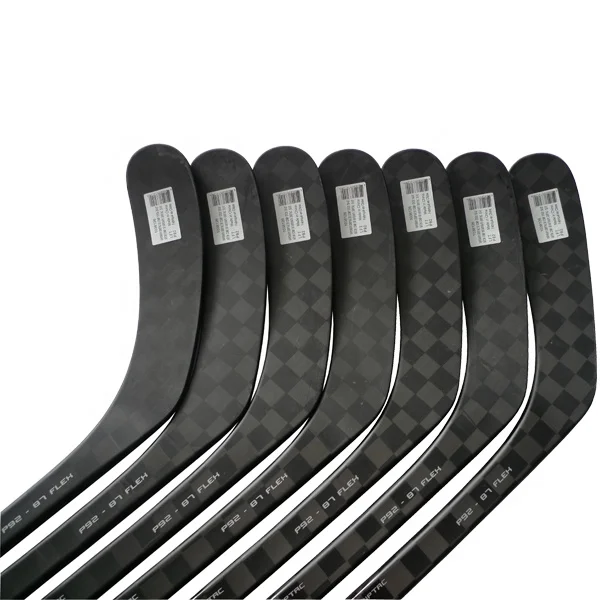
Exploring the Relationship Between Construction and Flex Response
When it comes to hockey stick construction, the materials used and the way they are put together can have a big impact on how the stick flexes. Flex response is crucial in hockey because it can affect how powerful your shots are and how well you can control the puck. One important factor in flex response is the type of material used in the stick. For example, sticks made from carbon fiber tend to have a stiffer flex, while sticks made from wood are more flexible. The way the stick is constructed, such as the number of layers and the pattern of the fibers, can also affect how it flexes. Understanding how construction influences flex response can help players choose the right stick for their playing style.
Where to Find High-Quality Hockey Sticks with Superior Flex
For players looking for high-quality hockey sticks with superior flex, TIESONG is a great option. TIESONG offers a variety of sticks made from top-quality materials and constructed to provide excellent flex response. Their sticks are designed to help players maximize their shooting power and puck control. TIESONG sticks are carefully crafted to ensure consistent flex across the entire stick, giving players the confidence they need to perform at their best on the ice. Whether you're a beginner or a seasoned pro, TIESONG has a stick that can help you elevate your game.
Common Issues with Flex Response in Hockey Stick Construction
While high-quality custom hockey sticks like those from TIESONG are designed to provide excellent flex response, there are some common issues that can arise with stick construction. One common issue is delamination, where the layers of the stick start to separate, causing inconsistencies in flex. Another issue is blade flutter, where the blade of the stick vibrates excessively during shots, affecting the accuracy and power of the shot. Poorly constructed sticks may also have weak flex points, leading to breakage or loss of power. By choosing a reputable brand like TIESONG and properly maintaining your stick, you can avoid these common issues and enjoy optimal flex response on the ice.